May 13, 2026: Women United Brunch raises over $130K for financial independence programs

Women United Brunch raises over $130K for financial independence programs

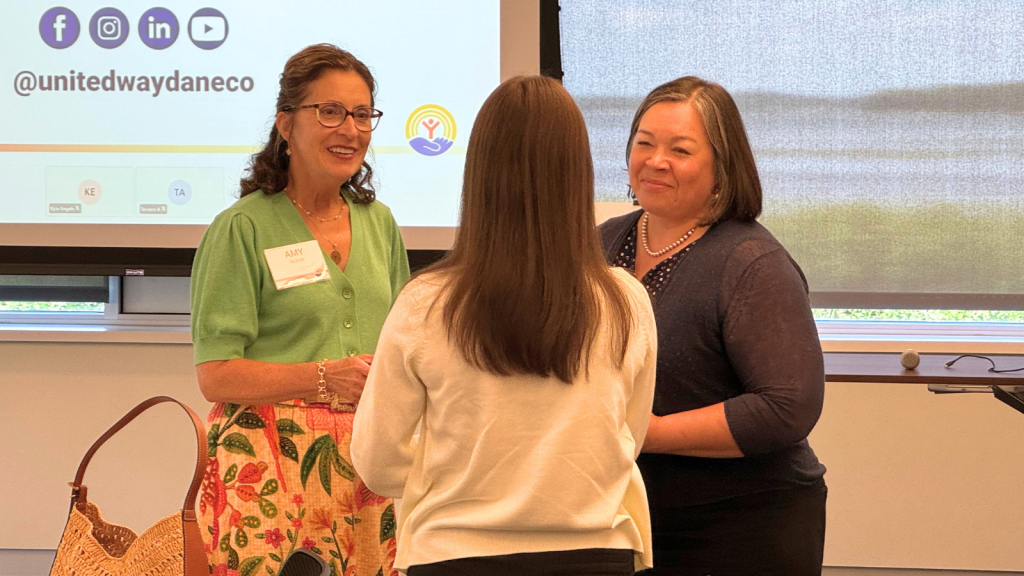
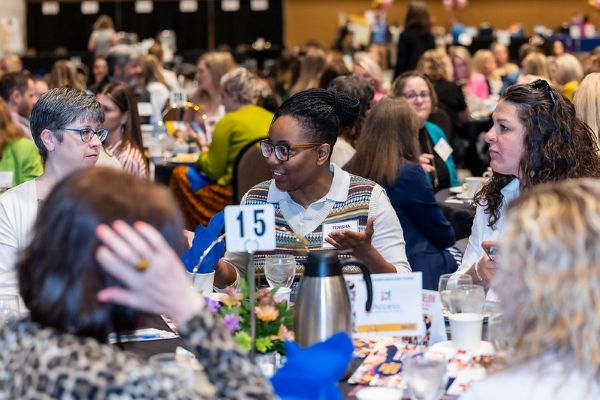
MADISON (WKOW) — The 14th annual Women United Brunch hosted by the United Way of Dane County raised more than $130,000 on Wednesday.

The goal was to raise money to support programs for women’s financial independence and stability. People learned about the evolution of Women United, which is focused on helping families be better positioned to thrive.

“Individuals who perhaps are displaced in the workforce, oftentimes are shocked by the lack of resources they have, but they still have to keep paying for food and housing,” said Renee Moe, president and CEO of United Way Dane County. “And so what United Way can do is really help partner and be a bridge with nonprofits across the community to help individuals and families get to a place of self sufficiency so that they can grow and thrive.”

WKOW was a proud sponsor of the event.

May 12, 2026: A seismic shift in federal granting policy has nonprofits scrambling

A Seismic Shift in Federal Granting Policy has Nonprofits Scrambling

Camille Carter has a familiar lament in the nonprofit world.

Carter, president of the Madison Black Chamber of Commerce, a nonprofit that provides services to Black-owned businesses, has run out of federal grants and is looking for new funding sources to maintain its support of Black-owned businesses and Black entrepreneurs.

Having used a $3.6 million American Rescue Plan Act grant from the COVID era to build capacity, a lack of continuing federal support has placed the organization in a position where it has to pivot in order to sustain that capacity, Carter said.

At the moment, she said none of the chamber’s remaining employees are getting paid a salary or benefits as the organization tries to make do with modest annual membership dues from its roughly 200 members in southcentral Wisconsin.

“We are going to have to potentially get creative,” Carter said. “We currently have some funding to keep the chamber’s doors open and support basic programming. What we don’t have is the budget to support staffing for the organization and right now my No. 1 mission is to refund the organization.

“This work takes people,” she said. “It does not run on its own and in order to uplift people and to support them, we have to have the staff in order to do that.”

Thanks to a shift in federal priorities — including what Carter called an attack on diversity, equity and inclusion under President Donald Trump — her plight is familiar to many nonprofit organizations across the country.

They have experienced the cessation of contractually obligated federal funds for programming, stop-work orders, disruption to payment systems, threats of targeting nonprofits and uncertainty due to recent government shutdowns.

According to some nonprofit executives, the shift has caused significant disruption of existing funding and relationships between the federal government and state and local government and nonprofit partners.

Diane Yentel, president and CEO of the National Council of Nonprofits, said in February ahead of Trump’s State of the Union address that nonprofits are strained but resilient as payment delays and funding pauses disrupt their operations.

Nonprofits depend on consistency, clarity and reliability in federal policy, but now they need to navigate a new landscape.

Shifting priorities

The policy shifts are reflected in a variety of executive orders, agency directives and legislation. Among the most controversial alterations are cuts in Medicaid spending, including decreases in eligibility and increases in administrative and work requirements for food assistance benefits and health care access.

The shifts keep coming. The most recent example was on March 26 when the Trump administration, which views diversity, equity and inclusion programs as racially discriminatory, issued an executive order prohibiting the practice of DEI in federal contracting (e.g., vendor agreements), including program participation and the deployment of a contracting entity’s resources.

The sheer number of changes has prompted the United Way of Dane County and Goodman Nonprofit Center (a project of the Madison Community Foundation) to partner with the University of Wisconsin-Madison Center for Community and Nonprofit Studies to collect and assess information on the policy changes and their anticipated effects.

Lauren Martin, senior director of community impact for the United Way of Dane County, said the purpose of the partnership is to help nonprofits understand and react to the changes.

Martin said the Center for Community and Nonprofit Studies website offers updated information so organizations can make contingency plans when there is a change from a specific funding source.

The partnership began with a survey of local nonprofit leaders and its analysis focuses on the following community areas: basic and household needs; heath care; education, child care and the arts; workforce and immigration; and civic health and participation.

“What we have heard and have been hearing since the beginning of last year is just the fear of loss of potential funding,” Martin said. “There was an actual loss of some funding in our community but there has been significant disruptions to that reliability of contractual relationships that the study found as well.

“And there is the ongoing uncertainty and work that has to be done once something is announced,” Martin said.

Since early 2025, there has been a steady drumbeat of alterations as the Trump-appointed Department of Government Efficiency or DOGE significantly altered funding to programs such as AmeriCorps and disrupted the payment system for programs like Head Start.

One local casualty of reduced AmeriCorps funding is the shuttering of long-standing elementary school Schools of Hope and high school Achievement Connections programs of the Madison Metropolitan School District and UWDC.

Starting in the 2026–27 school year, the organizations will try to provide student support by other means, and they cited reduced federal support of AmeriCorps, the independent U.S. agency through which they are funded, as the reason.

Also, the 43-day federal government shutdown in the fall delayed payments to 700,000 beneficiaries of Wisconsin’s FoodShare program until a federal judge ordered the payments released. The benefits are fully funded by the federal government as part of the Supplemental Nutrition Assistance Program (SNAP).

While FoodShare benefits are used at grocery stores, nonprofit organizations and food banks that distribute food for those in need would have been relied on more heavily in the absence of those payments.

“At the end of last year, when there were some potential changes to FoodShare, that was one direct place where changes were happening,” Martin said. “Individuals were looking for additional resources to plan to meet their needs but in general there’s also changes that are affecting nonprofits that are also affecting our communities.”

One adjustment the United Way made in response to this instability was extending its impact grants into a third year to support affected nonprofits — an approximately $5 million commitment, pending the results of its annual community campaign.

Mary Beth Collins, executive director of the Center for Community and Nonprofit Studies, said nonprofits should lean into collaborations.

“We’re seeing conversations happening with cross-sectors, potential activities and collaborations that can address some of these more specific policy shifts,” she said.

For example, regarding new work requirements for Medicaid, Collins said there are already conversations happening about how the nonprofit sector can work with public sector agencies and those that provide basic needs services to make sure people are getting the information they need to meet those work requirements.

“We will continue to update the (website) with further information because … it’s a fluid situation and we’re continuing to learn things about impacts and whether certain executive orders and other actions will even stick because some of them are being challenged (in court),” Collins said.

“It’s about working double time. It’s having to be more creative. It’s having to be more and more anticipatory about what is actually happening, and it is, as usual, being extremely dedicated and creative in that,” she said.

“It is a lot to ask of a sector that is often the last stop for our communities, especially those that are most vulnerable.”

Transition period

For the Madison Black Chamber and the services it provides local entrepreneurs, Carter said membership fees only covered 5 to 7% of its budget historically, so a restoration of grant funding would enable it to better serve minority businesses.

“Right now, we are retooling our budget,” Carter said, “and we’re still going to do our best to deliver on a lot of our promotional services that really elevate our businesses and help our businesses connect with their customers via some of our events, in particular.

“I imagine that the way that we’ve done them before will shift because it will require a great deal of financial resources to support those efforts,”

Carter said. “So, there will be some changes and some transitions. I just don’t know to what level at this point in time.”

Tocqueville Spring Conversation: Coming Together for Community Impact

Tocqueville Spring Conversation: Coming Together for Community Impact

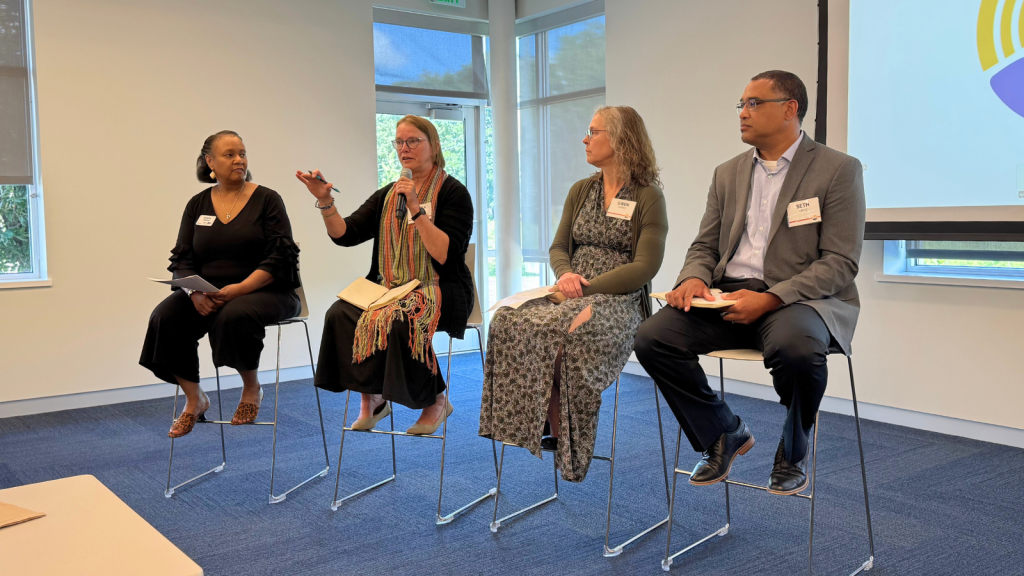
Thank you to everyone who attended our first Tocqueville Conversation of the year on April 29, generously hosted by Findorff. Members and guests gathered for a discussion around the measurable impact we achieved in our community in 2025 and the opportunities ahead.  

Renee Moe, United Way of Dane County President & CEO, provided a foundation for the current moment our community faces, followed by a presentation on community level data by Vice President of Community Impact, Jody Bartnick. These results illustrated how unrestricted gifts are leveraged for broader impact and highlighted the critical role Tocqueville members play in strengthening our community. 

The group then moved into smallgroup discussions where attendees had the opportunity to engage directly with United Way Community Impact directors around Financial Security, Healthy Community and Youth Opportunity. We reflected on the data and explored how community challenges and solutions are showing up in workplaces and partnerships across Dane County. 

Here are some of the highlights from those conversations: 

Financial Security: 

This group discussed preventing evictions while addressing long-term housing stability. Participants discussed Women & Wealth, workforce pathways and affordable housing efforts, celebrating strong program success while examining how to better support families still struggling. The conversation emphasized balancing immediate needs with systemic solutions through coordinated tools, partnerships and community investment. 

Healthy Community: 

Personal stories reinforced that navigating health care is complex for many, even those with resources, and that strong case management and attention to social determinants of health like neighborhood safety are essential for better outcomes. The group discussed how fear, particularly around immigration enforcement, is preventing some families from accessing health care, affecting both patients and frontline providers. Participants emphasized the need for culturally relevant, trusted care.   

Youth Opportunity: 

Participants explored how youth success is measured, including questions about racial disparities in academic achievement outcomes. The group discussed alternative pathways for students who may not thrive in traditional school settings and how changing tutoring models affect families and students. The shared conclusion was that the community must do more to support diverse paths to success for young people, including supporting out of school time and reducing school mobility. 

Deep Dive on 2025 Results and 2026 Trends: 

This discussion focused on using data to reduce duplication across nonprofits while addressing growing needs amid shifting donor engagement. Participants considered strategies to better reach younger and remote workers and expand beyond traditional workplace campaigns. Collaboration and innovation were seen as key to sustaining long-term impact. 

These conversations reinforce a shared belief: when more people have what they need to succeed, our entire community is stronger. 

May 6, 2026: United Way of Dane County exceeds fundraising goals with $18 million

United Way of Dane County exceeds fundraising goals with $18 million

MADISON (WKOW) — United Way of Dane County announced Wednesday that the fundraising campaign raised more than $18.1 million.

This amount exceeded the goal of $17.5 million. Now United Way can use the donations to provide the community with resources and services related to rent deposits, food pantries and housing.

“Dane County’s donors and businesses didn’t just meet this moment, they led. At a time of shifting public funding, and rising costs of living creating growing demand for services, our community continues to show extraordinary commitment to one another,” United Way President and CEO Renee Moe said.

This year, the fundraising campaign saw a $10-$15 million commitment from the Dan & Patti Rashke Family Foundation, the largest multi-year philanthropic commitment in the organization’s history.

“Because of increased giving, more dollars are being invested in effective strategies and urgent needs. Undesignated giving, a cornerstone of the Rashke’s belief in trust-based philanthropy was up by almost $1.5 million, allowing United Way to invest the funds where they are needed most,” United Way stated.

For more information, visit the United Way website.

May 6, 2026: United Way of Dane County’s Community Fundraising Campaign Exceeds $18.1 Million

United Way of Dane County’s Community Fundraising Campaign Exceeds $18.1 Million

Download PDF here

Madison, WI (May 6, 2026) – United Way of Dane County announced today that the 2025 Community Fundraising Campaign exceeded its goal, raising $18.1 million to address the community’s greatest needs. The result reflects the collective commitment of more than 13,000 individuals 7,000 volunteers and nearly 500 businesses across Dane County – a show of generosity that United Way President and CEO Renee Moe called an important moment for Dane County.

“Dane County’s donors and businesses didn’t just meet this moment, they led. At a time of shifting public funding, and rising costs of living creating growing demand for services, our community continues to show extraordinary commitment to one another,” Moe said. “Because of compassionate and strategic donors, we are able to lead at the scale this moment demands — driving measurable results and strengthening our community for the long term. Your generosity fuels United Way’s Plan for Community Well-Being, so all children graduate from high school ready for success, all families can build to financial well-being and all neighbors have access to healthcare that helps them perform well in school and work and life.”

A Meaningful Investment
Thanks to the leadership of Kim Sponem, President and CEO of Summit Credit Union and 2025 Campaign Chair, along with the dedication of United Way’s Campaign volunteers and donors, our community was able to exceed the goal of $17.5 million, ultimately raising $18.1 million during the 2025 Community Fundraising Campaign. While this number does not meet the full scale of community need, it is a meaningful investment of voluntary support that makes measurable impact.

“Serving as Campaign Chair was a powerful reminder of what’s possible when leaders, organizations and communities align around a shared purpose,” Sponem said. “Exceeding this goal isn’t just about what we accomplished in this campaign; it’s about building momentum for the future. The need is great and the opportunity is there to help one another build stability and help people prepare for a brighter future when needed. United Way is uniquely positioned to evaluate and support programs of nonprofit entities to address four major areas of need including advancing financial security.

Sponem has long championed initiatives that help people build financial confidence and resilience values deeply aligned with United Way’s mission.

“These dollars represent more than generosity,” Sponem added. “They represent a shared understanding and responsibility to strengthen our community for people to have the opportunity to succeed. I’m incredibly proud of Dane County and confident in what we can continue to achieve together.”

Impact of a Transformational Gift
This year’s campaign was energized by a historic 10-year, $10–$15 million commitment from the Dan & Patti Rashke (TASC) Family Foundation — the largest multi-year philanthropic commitment in United Way of Dane County’s history. The gift ensures that 100% of undesignated individual donations directly address the greatest needs in the community in the areas of youth opportunity, financial security, healthy community and community resilience.

“Dan and Patti’s gift challenged the assumption that giving directly creates more impact than giving through United Way,” said Ginger Zimmerman, 2025 United Way Board Chair and President/Managing Shareholder at Murphy Desmond S.C. “By underwriting United Way’s administrative costs, which are already highly efficient, and multiplying the impact of every donor dollar, they aimed to inspire broader community participation, especially for younger and new donors. We know people want to make a difference, and United Way offers a simple, effective way to do that through a strategic, results-driven approach. Dan and Patti’s leadership sparked additional giving that helped us exceed our campaign goal, allowing United Way and partner nonprofits to deliver even greater impact in 2026.”

Because of increased giving, more dollars are being invested in effective strategies and urgent needs. Undesignated giving, a cornerstone of the Rashke’s belief in trust-based philanthropy was up by almost $1.5 million, allowing United Way to invest the funds where they are needed most. United Way of Dane County thanks every volunteer and donor who supported the 2025 campaign, and encourages additional participation from individuals, businesses and families this year.

A special thank you to United Way’s partner nonprofits, businesses and volunteers. Together, we continue to build a stronger Dane County where everyone can thrive.

If you have questions or would like to set up an interview, please contact Adam Mumm, Communications Director, United Way of Dane County at (608) 416-0401 Adam.Mumm@uwdc.org.

###

About United Way of Dane County
United Way of Dane County mobilizes the caring power of our community so all can thrive. From advancing health and education to strengthening livelihoods and local resilience, we connect people to possibility. With a mission to unite the community to achieve measurable results that change lives, we work collaboratively with local nonprofits, businesses, community leaders, donors and volunteers to multiply impact and solve big-picture issues no one person or organization can address alone. United Way holds ourselves and our partners accountable for effective use of resources and measurable results. Together, we are The Power of Caring. Working for All. Visit www.unitedwaydanecounty.org to learn more.

May 5, 2026: From Pilot to Proof: Dane County Health Council and Partners Celebrate Evidence of ConnectRx Wisconsin’s Impact on Improving Birth Outcomes

From Pilot to Proof: Dane County Health Council and Partners Celebrate Evidence of ConnectRx Wisconsin’s Impact on Improving Birth Outcomes

Link to Article Here

[Madison, WI, May 5, 2026] –  In Dane County, Wisconsin, a powerful truth is emerging: when coordinated, culturally aligned, maternal care starts early and stays consistent, birth outcomes for Black mothers and babies improve. Such are the findings of an initial evaluation report on local efforts to address Dane County’s longstanding racial birth disparities.

For the past eight years, the Dane County Health Council (DCHC) and the Foundation for Black Women’s Wellness (FFBWW) have led the Saving Our Babies Initiative—a groundbreaking cross-sector collaboration aimed at eliminating the Black low-infant birth weight crisis and to broadly improve Black maternal and child health. Together with ConnectRx Wisconsin (CRx), an innovative care coordination model launched in 2022, the work is demonstrating measurable gains.

To date, the ConnectRx program has conducted more than 18,500 screenings, generated 4,525 referrals to critical community resources, and supported 515 birthsincluding 332 with doula care. Among participants, 94% of births reach optimal gestational age and 93% of babies are born at a healthy birth weight—outcomes that now exceed countywide averages. These outcomes provide one of the strongest early demonstrations that community-driven, coordinated care works.

Findings from the University of Wisconsin-Madison Reproductive Equity Action Lab—analyzing over 31,000 births between 2022-2024, including 350+ births among ConnectRx Wisconsin participants—confirm that the program is reaching families with the highest needs and driving measurable improvements in outcomes. Preliminary evaluation results also offer clear lessons about what is working:

  • ConnectRx Wisconsin is reaching families with the highest need. On average, CRx participants navigate three or more major social challenges and are connected to multiple community resources to address needs like financial strain, housing instability, and food insecurity.
  • Early connection and sustained participation change outcomes. Pregnant patients who enrolled in CRx in the first trimester saw significantly better outcomes; and preterm birth rates were cut by more than half compared to Black birthing people not enrolled in the program.
  • Longer participation is linked to stronger outcomes: Findings also suggest that longer participation, 6-7 months or longer, is linked to stronger outcomes, reinforcing the importance of enrolling early and staying connected throughout pregnancy and postpartum.

Findings also highlight ongoing needs and challenges:

  • Need is outpacing capacity. As referrals increased, wait times for ConnectRx grew, especially in 2023, reinforcing the need to expand staffing capacity so families can enroll early enough to benefit fully from the program.
  • This work is only beginning. Some findings are not yet statistically significant due to small sample sizes and relative infancy of the program. Generational change requires long-term commitment; clearer trends are expected as the program is sustained.
  • Saving Our Babies and ConnectRx Wisconsin are one piece of the solution. Even with these strategies and solutions in place, broader inequities persist, underscoring the need to address systemic racism and structural barriers that shape birth outcomes.

Despite the challenges, partners point to a clear driver of progress: a model intentionally built on trust, access, representation, and the integration of both clinical and community care. ConnectRx Wisconsin recruits, trains, and supports doulas and Community Health Workers (CHWs) who reflect the lived experiences of the families they serve—many of whom are former participants. This culturally aligned workforce, working in tandem with clinical staff, is essential to rebuilding trust where systems have historically fallen short, strengthening engagement, and ensuring continuity of care.

“ConnectRx Wisconsin shows what is possible when healthcare systems and community partners work in true alignment,” said Eric Thornton, President of SSM Health St. Mary’s Hospital – Madison, an anchor member organization of the Dane County Health Council. “By meeting families where they are and addressing the full range of needs impacting health, we are not only improving outcomes—we are restoring trust and dignity, and advancing equity in care.”

Together, these findings point to what must come next: expanding capacity so more families can enroll early, sustaining and investing in doulas and CHWs, and deepening partnerships between healthcare systems and community organizations. While the path forward is achievable, partners emphasize that scaling ConnectRx Wisconsin’s impact will require sustained, multi-year investment and philanthropic support to grow capacity, strengthen workforce infrastructure, and ensure early access – ultimately realizing the broader promise of the work.

“ConnectRx is one of Wisconsin’s most impactful efforts to undo longstanding birth disparities for Black mothers and babies — built by systems and community working as true partners,” said Lisa M. Peyton, CEO & President of the Foundation for Black Women’s Wellness. “The question is no longer if it works. It’s whether we will invest at the scale required to reach every family who needs it.”

For more information or to support the Initiative, please visit www.savingourbabieswi.org or contact Ariel Robbins: arobbins@uwhealth.org.

###

About the Dane County Health Council:
The Dane County Health Council is a coalition of healthcare providers, government and nonprofits with a mission to eliminate gaps and barriers to optimal health and reduce disparities in health outcomes in Dane County. Council members include Access Community Health Centers, Black Maternal and Child Health Alliance, Group Health Cooperative of South Central Wisconsin, Madison Metropolitan School District, Public Health Madison & Dane County, SSM Health St. Mary’s Hospital – Madison, United Way of Dane County, UnityPoint Health – Meriter and UW Health.

April 27, 2026: United Way’s Women United brunch celebrates pathways to financial security for Dane County families

United Way’s Women United brunch celebrates pathways to financial security for Dane County families

MADISON (KOW) — United Way of Dane County will host its Women United Brunch on May 13 at the Madison Marriott West in Middleton.

The event brings together more than 400 women for networking and celebrates the caring power of women across Dane County.

Women United is a network of more than 1,200 women committed to helping women and families find pathways toward financial security, which strengthens families and creates opportunities for future generations. The organization provides opportunities for professional and personal growth and volunteer work in Dane County.

The brunch will honor Karen Kallerud as the 14th recipient of the Women United Philanthropy Award, recognizing her service to the community.

Renee Moe, president and CEO of United Way of Dane County, and Molly Schumacher, director of donor engagement for United Way, stopped by our WKOW studios to talk about the inspiring morning.

WKOW is a proud sponsor and Amber Noggle will serve as emcee.

Check-in and networking begins at 8:30 a.m., with the brunch and program starting at 9 a.m. The event includes a silent auction and raffle.

The public can register on the United Way of Dane County website at unitedwaydanecounty.org/events. People can participate in the silent auction, join Women United or donate without attending the event.

Thank You to Our United Way of Dane County Volunteers!

Thank You to Our United Way of Dane County Volunteers!

This National Volunteer Month, we’re proud to celebrate the hundreds of dedicated volunteers who work behind the scenes to support our mission and strengthen Dane County. By lending their time, talents and passion, our volunteers help United Way unite our community towards a common goal to build a better Dane County for all. 

To every volunteer who has stepped up to serve, thank you. Your generosity and commitment are making a lasting impact to help change lives. 

Mobilizing Caring Power Through Volunteerism

Mobilizing Caring Power Through Volunteerism

United Way of Dane County is the intersection where the community meets to change lives. One of the ways we do this is by engaging community members, nonprofit partners and local businesses in volunteerismThis mobilizes the caring power of our community to make meaningful and lasting change 

ImPacks created by volunteers provide essentials to individuals and families in our community. Our nonprofit partners let United Way know what is most needed. When families have access to essential supplies, our community becomes healthier and stronger. In 2025, employees at 62 local companies created over 100,000 ImPacks for neighbors in need, creating over $295,000 in economic impact. 

April 14, 2026: United Way of Dane County Announces 2026 Board of Directors

United Way of Dane County Announces 2026 Board of Directors

Download PDF here

Madison, WI (April 14, 2026) – United Way of Dane County has appointed 12 new board members to its 2026–2027 Board of Directors. The Board is made up of community leaders who guide United Way in their mission to unite the community to achieve measurable results that change lives.
“Our Board of Directors reflects the strength of Dane County with leaders who are deeply committed to sharing their time and expertise to mobilize the caring power of our community to help improve lives,” Renee Moe, President and CEO of United Way of Dane County, said. “Their leadership ensures we stay focused, accountable and responsive so that every donor dollar drives and multiplies impact where it’s needed most.”
We thank the following outgoing board members for their service:

  • Bryan Chan, SupraNet Communications, Inc.
  • Nicki Cooper, The Foundation for Black Women’s Wellness
  • Claiborne Hill, SEIU Wisconsin
  • Dr. Silva Jackson, Wisconsin Department of Corrections, retired
  • Barbara Harrington-McKinney, Community Leader
  • Rachel Neill, Carex Consulting Group
  • Dr. Corinda Rainey-Moore, UnityPoint Health–Meriter
  • Adam Stevenson, UW-Madison Law School
  • Peter Vogel, Vogel Bros. Building Co.

2026 United Way of Dane County Board of Directors
New members bolded, Executive Committee members denoted with *

  • *Jeff Keebler, Chair, Madison Gas and Electric
  • *Kim Sponem, Vice Chair, Summit Credit Union
  • *Karen Timberlake, Secretary, Children’s Wisconsin
  • *Robert Durian, Treasurer, Alliant Energy
  • Diane Ballweg, Endres Manufacturing Company
  • Kalvin Barrett, Dane County Sheriff’s Office
  • Larry Barton, Strang
  • *Deborah Biddle, The People Company
  • Joe Celentano, NGL Insurance Company
  • Chris Copeland, TruStage
  • *Baltazar De Anda Santana, Dane County Department of Human Services
  • Anna Englehart, Allen Media (WKOW)
  • *Dave Florin, Hiebing
  • Eve Galanter, Community Leader
  • *Noel Gallagher, Laborers Local 464
  • Dr. Joe Gothard, Madison Metropolitan School District
  • Linda Ketcham, JustDane
  • *Paul Kundert, UW Credit Union
  • Sean LaBorde, M3 Insurance
  • Chandra Lewis, Harambee Doula Care & Holistic Services
  • Nick Meriggioli, Community Leader
  • Sandy Morales, Big Brothers Big Sisters of Dane County
  • Andry Negovani, By Youth For Youth Representative
  • Ashley Quinto Powell, myVA Rocks
  • Gisèle Sutherland, BMO Financial Group
  • Bill Thousand, Clarity Technology Group LLC
  • *Jeff Tubbs, J.H. Findorff & Son Inc.
  • Jason Vangalis, Amazon
  • Faleshuh Walker, Lashay The Artist
  • Derek Wallace, County of Dane/AFSCME Local 720
  • Jesi Wang, MetaStar, Inc.
  • Bill Westrate, American Family Insurance
  • *Jim Wheeler, Community Leader
  • Cody White, Madison College
  • Krissy Wick, Madison Public Library System
  • *Jane F. (Ginger) Zimmerman, Murphy Desmond S.C.


###

About United Way of Dane County
United Way of Dane County mobilizes the caring power of our community to close gaps and open opportunities so all can thrive. From advancing health and education to strengthening livelihoods and local resilience, we connect people to possibility. With a mission to unite the community to achieve measurable results that change lives, we work collaboratively with local nonprofits, businesses, community leaders, donors and volunteers to multiply impact and solve big-picture issues no one person or organization can address alone. United Way holds ourselves and our partners accountable for effective use of resources and measurable results. Together, we are The Power of Caring. Working for All. Visit www.unitedwaydanecounty.org to learn more.